October 10, 2026


A courthouse opens its doors to people on one of the most stressful days of their lives: jurors who would rather be anywhere else, a defendant's family, a witness who took the morning off work, a teenager there to pay a traffic ticket. The screening checkpoint is where all of that meets your post orders. A walk-through magnetometer will catch a knife. It will not catch a visitor who wanders into a restricted corridor, a fire door propped open with a trash can, or a lost child on the wrong floor. The checklist below is meant to be walked, not filed. Adapt it to your building, your staffing, and your court's orders.
Ten minutes of setup prevents an hour of chaos at 8:45 a.m., when the line runs out the door and a jury pool arrives at the same time as a criminal docket.
Post at least two officers during peak hours where you can: one on the detector, one on the X-ray and trays. Rotate positions so nobody stares at the same image for three hours.
Stand where a visitor stands and look around. Are there blind corners near secondary screening? Does the queue have room to spread instead of bunching against the glass? Can someone reach the clerk's window without walking through the checkpoint? Provide an alternate route for people with pacemakers, implants, or mobility devices, screened with a wand and a private explanation. Dignity is a security tool; people who feel respected cooperate.
Run a sweep before the session and after the room empties. Under the benches and counsel tables, inside the jury box, behind the lectern, in the trash cans, along the gallery seating. Check the judge's door, the prisoner access door, and the alarm button at the bench. Know which seat cushions lift and which are fixed. At the end of the day, that walk takes ninety seconds and finds the phone someone left behind.
Verify the sally port interlock, the secure elevator, and radio coverage in the basement. Search the holding cell before and after each use, and keep the keys or control panel accountable to one person per shift.
Watch for tailgating at badge doors and doors propped open for deliveries. Keep a key log and know who signed out the master.
Screening is only half of entry control. The other half is knowing who is inside and why.
Walk the egress path the way a panicked crowd will. Storage in a corridor, a chained exit, a stairwell door that sticks — these turn a small fire into a real one. Test panic hardware, confirm exit signage and lighting, and make sure no magnetic lock holds a door in a way that conflicts with fire code. Then answer the harder question: who does what when the alarm sounds?
A visitor log is only useful in an evacuation if a specific person is assigned to carry it and knows where it goes.
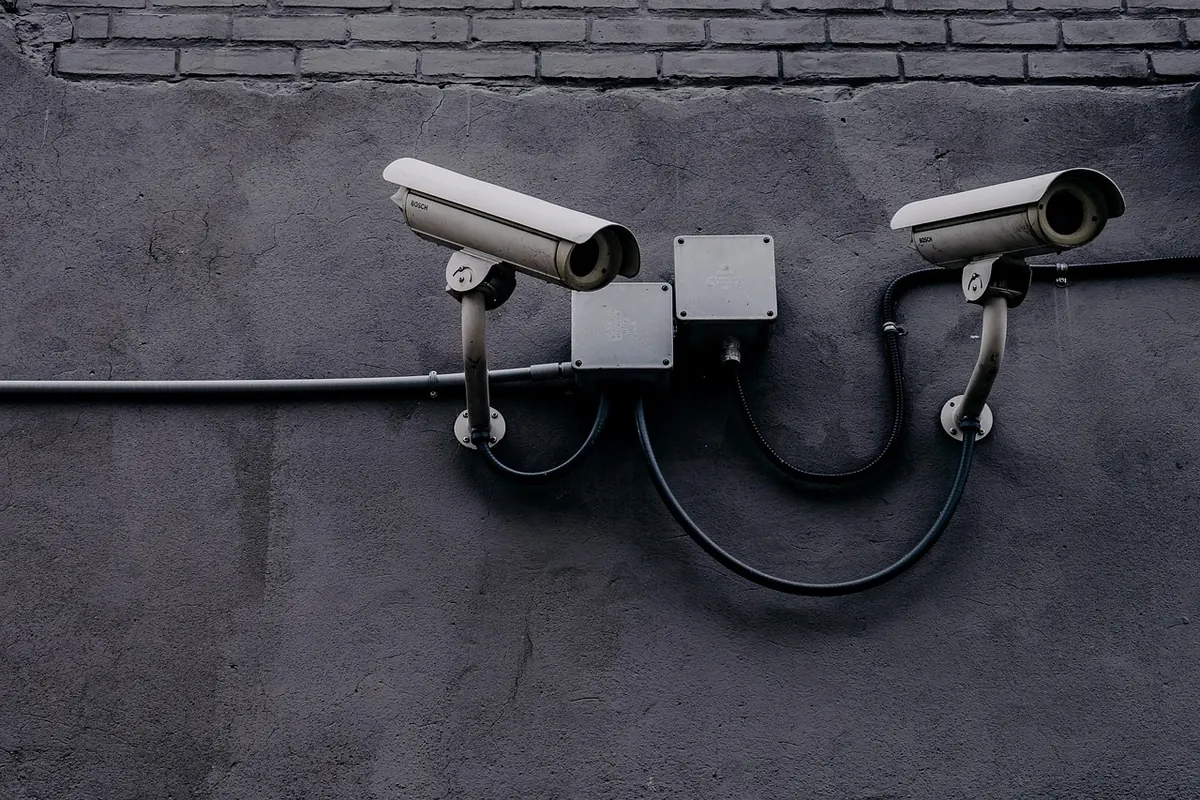
One tabletop a quarter, one walk-through of the egress route, and at least one full evacuation a year, coordinated with local fire and EMS. Write down what failed — the radio dead spot, the door that would not latch — and track it to a fix with a name and a date attached. Review camera footage of the screening point after any incident; the lesson is usually in the first thirty seconds.
Before you leave, loop the building: doors secured, keys accounted for, radios on chargers, log signed, equipment locked. Then ask one question out loud. If something happened right now, who would know, and how would we tell them? If the answer depends on a single person who is off tomorrow, fix that today. Follow your agency's policy and your court's orders first; this checklist supplements them, it does not replace them.
Photo: WebTechExperts / Pixabay

An almanac for marshals and law enforcement..
Copyright © 2026 The Marshal Manac. All rights reserved. The Marshal Manac.