October 10, 2026


A high-profile trial rarely picks a convenient week. It lands in July, when two of your steadiest officers already have leave approved. Or it starts the Monday after Thanksgiving and runs through the holidays, with a courtroom full of cameras and a lobby full of people who have nowhere to sit. Courthouse security planning works best when the calendar is treated as part of the risk picture, not an afterthought assigned once the trial date is set.
Get the trial date, estimated length, daily schedule, and likely verdict window from the court administrator or the judge's clerk as early as you can. Then lay that schedule over everything else on the courthouse calendar: summer recess, holiday weeks, fiscal year end, graduations, festivals, and any event that already pulls deputies or police into the street.
Recess periods create a specific trap. Courtrooms may be quiet, but the building is not—construction crews, cleaning schedules, and staff on vacation all reduce the number of people who know how the place normally runs. A skeleton crew is not a plan. Ask who else will be in the building on verdict day, including contract workers and vendors.
It also helps to know what is drawing attention: credentialed media, victim advocacy groups, organized supporters, counter-protesters, or all four. The answer changes how much space you need outside the doors as much as inside them.
A single flat roster tends to break at the worst moment. Three layers hold up better.
Overlap shifts slightly at handoff so the incoming crew hears what happened rather than reading it. A written post order for every position is what turns an unfamiliar officer into a useful one in ten minutes.
Summer and holiday trials put pressure on leave, overtime, and patience. A few practices soften that.
Announce leave restrictions before the annual leave calendar is built, not after. Cancelling approved vacation costs you credibility you will need during the next trial, and in many agencies it runs into a labor agreement. Talk with the union or association early and be specific about which dates matter.
Heat is its own staffing problem in July and August. Officers posted on the sidewalk in dark uniforms need shade, water, and rotation. Plan exterior relief the same way you plan break coverage inside, and watch for the person who insists he does not need a break.
The winter version is thinner staffing because of travel, plus holiday parades, tree lightings, and reduced transit service. Evening proceedings in December can leave a screening team stranded when the last bus runs early. Check the transit schedule before you post anyone outside at nine at night.
Fatigue accumulates over a long trial. Track hours, rotate the least desirable posts, and cap consecutive days where your agreement or policy allows it. Tired officers miss things on the X-ray screen.
Screening throughput is usually the choke point, so design the day backward from it. One public entrance, clearly marked, with a second lane opened on heavy days. A pre-court sweep by a K-9 team before doors open, covering the courtroom, chambers, holding area, and the route between them.
Move the defendant from the sally port to the courtroom before the public is admitted and after they have cleared. Shared hallways are where problems start. Credential media and frequent visitors so the same people are not re-verified from scratch every morning, and set up an overflow viewing room with a video feed for the days when the courtroom cannot hold everyone.
Enforce the electronics policy consistently. If phones are barred, give people somewhere to leave them, or you will spend the morning arguing at the magnetometer.
Work the outside as carefully as the inside. Coordinate with local police, traffic, transit, and fire before the first day, and confirm who owns which block. Expect to adjust drop-off zones, paratransit and accessible parking, delivery schedules, and bus stops.
Designate a place where people can demonstrate. Time, place, and manner restrictions have to be reasonable, content-neutral, and applied the same way to everyone who shows up. That is legal territory, so bring in your agency's legal advisor or the city or county attorney before you draft rules, and document the reasoning. Barricade lines should still leave a clear path for ambulances and an exit that does not funnel a crowd into a wall.
Assign one liaison to the trial who talks to the court, the prosecutor, the defense, and the media so information does not fragment. Share floor plans and staging locations with every responding agency. Use a common radio channel or patch, and hold a short briefing before doors open and a shorter one after court closes.
Then rehearse the scenarios that worry you most: a bomb threat during a recess, a medical emergency in a packed lobby, a power failure, an elevator entrapment, a single protester who will not leave, a demonstration that grows, an escape attempt during transport, and a jury that cannot reach a verdict. A tabletop exercise is useful. A walk-through with the actual people working that shift is better.
The trial date will not move for your convenience. The plan can. A courthouse that reads its own calendar, staffs in layers, and rehearses the bad day is one that can protect its people and the public while the case runs its course—whether that takes two weeks in August or six weeks across the holidays.
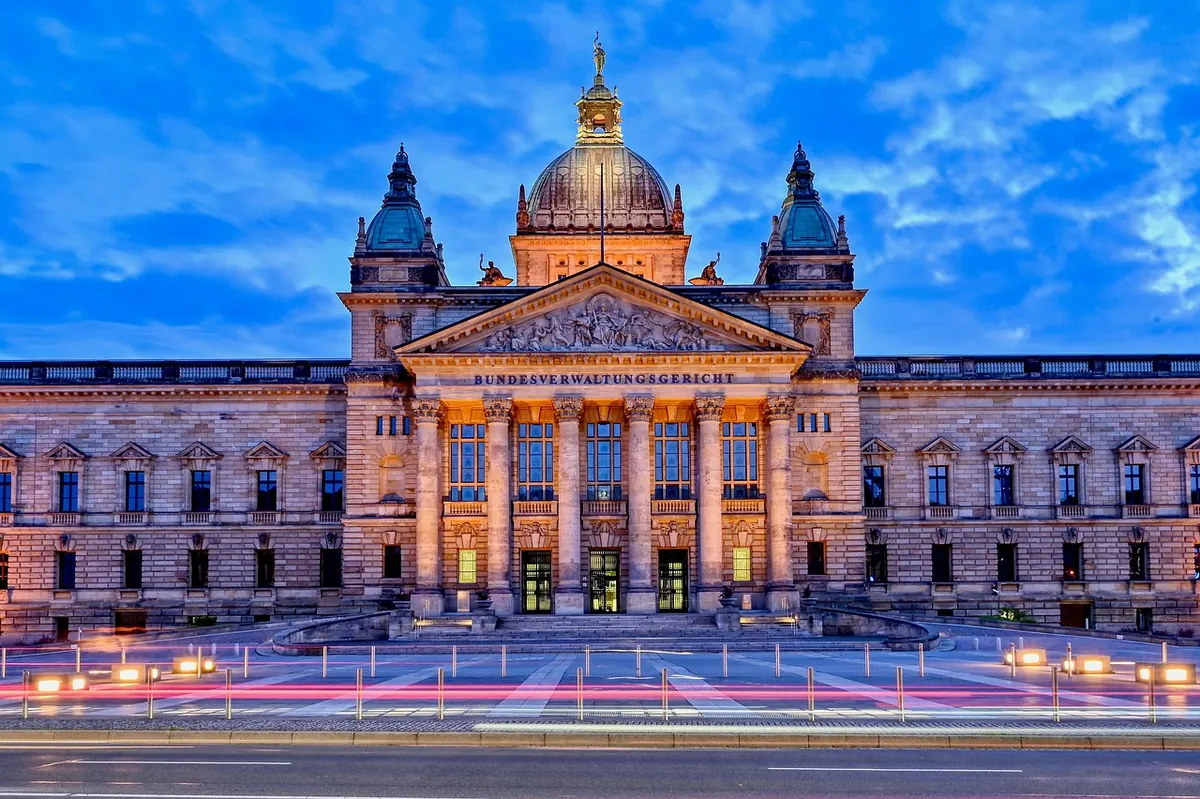
Photo: MarcusFriedrich / Pixabay
An almanac for marshals and law enforcement..
Copyright © 2026 The Marshal Manac. All rights reserved. The Marshal Manac.