October 10, 2026


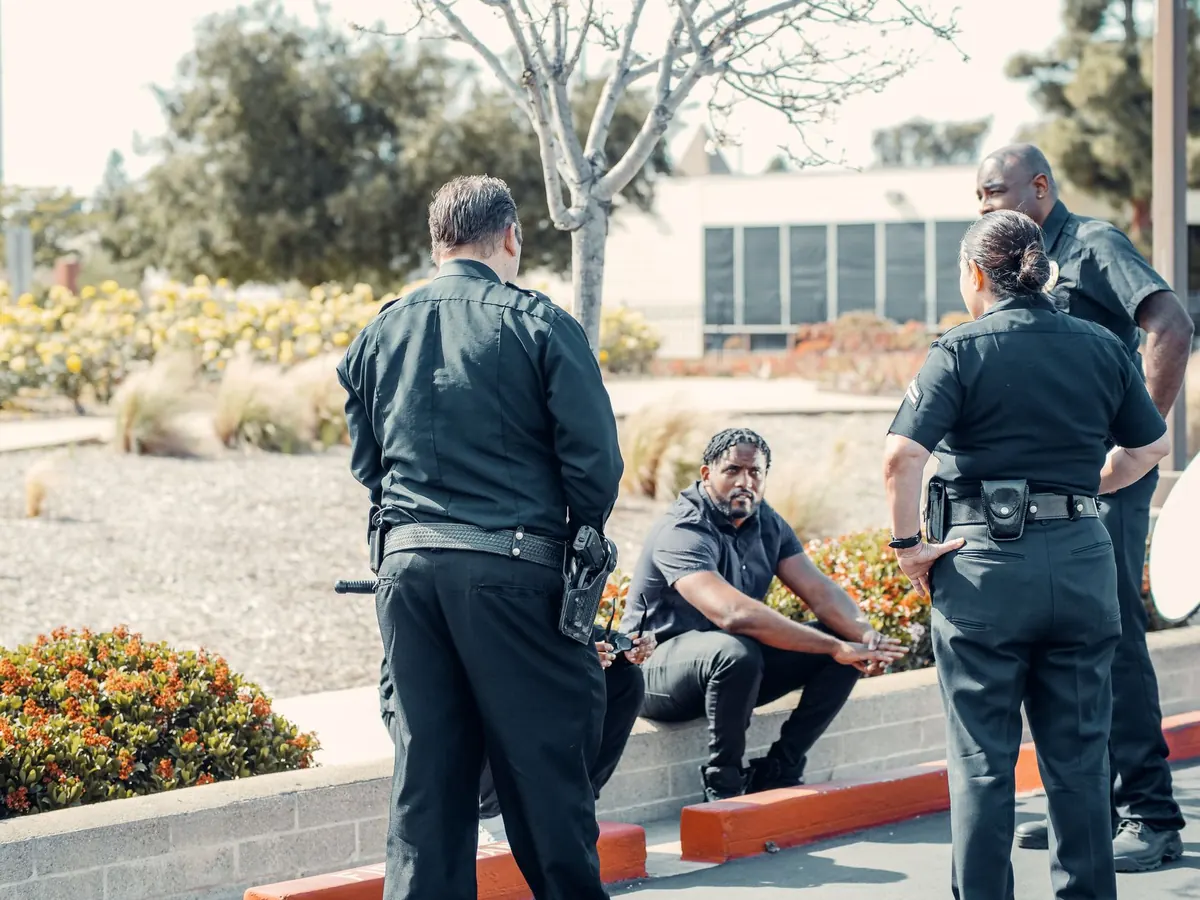
A courtroom is a controlled environment right up until it isn't. The gallery that sits quietly through arraignments can turn in two seconds when a verdict lands or when two families recognize each other. Court security officers work in the tightest tactical space in law enforcement: fixed furniture, nowhere to retreat, civilians on every side, and a judge who cannot simply walk out. The skills that keep everyone safe are not exotic. They are basic, repeatable, and built in short sessions over months.
Walk the courtroom while it's empty. Note where the jury sits, which door the judge uses, how long it takes to reach the gallery rail from your post, and where your radio drops out.
Positioning is a skill you practice with your eyes. Stand where you can see hands, not just faces — hands tell you what's coming. Keep the bench between you and a hostile party when you can, and angle your body so the gallery falls into your peripheral vision instead of sitting behind you.
Pick your seats before the calendar starts. A spot with a clear path to the well beats a comfortable chair every time.
Everything else in defensive tactics rests on three things.
Balance. Feet shoulder-width, weight on the balls of your feet, knees soft, hands at waist height — not crossed, not in pockets. Court assignments often mean dress shoes and slacks, which is exactly why you should train in what you wear.
Distance. Hold a gap wide enough to move or block before a hand reaches you. In a crowded gallery, distance is measured in chairs and bodies, not feet. Use the rail, the podium, and the bench as barriers.
Angles. Never stay directly in front of someone who has already shown you aggression. Step off the line, take the outside position, and keep your hips facing the space you may need to move into.
Drill it: with a partner, mirror each other around a row of chairs for two minutes. One moves, one keeps the angle. No contact. It looks simple and it isn't.
Big takedowns belong on open ground. In a courtroom the goal is to control one person without knocking over the clerk's desk or putting a juror on the floor.
Two rules cover all of them. Control the elbow, not just the hand — a wrist alone is a lever with no fulcrum. And talk through the hold: “Stand up. Walk with me.” Calm instructions reduce the force needed to finish the job.
The courtroom floor is a bad place to be: hard tile, sharp corners, and a crowd with phones. If a fight goes to the ground, your goal is not to win a grappling match. Protect your head, keep breathing, get vertical.
Frame with your forearms, tuck your chin, and use your hips to create space. Stay on your side rather than flat on your back. If a wall or bench is close, use it to climb. Call your partner — this is where the two-officer rule earns its keep. One controls the arms, one controls the legs, and both know who is talking.
After any restraint, check the subject for injuries and breathing, and reposition them as your agency's policy and training direct. Restraint positions that restrict breathing are a recognized risk. Document what happened while it's fresh.
Static repetition builds mechanics. Scenarios build judgment. Run these monthly with a partner and a role player, starting at half speed and adding pressure only when the basics look clean.
An almanac for marshals and law enforcement..
Copyright © 2026 The Marshal Manac. All rights reserved. The Marshal Manac.